Guide
Navigating Hospital to Home Transitions
A step-by-step guide to ensuring a safe, coordinated return home — and preventing avoidable readmissions.
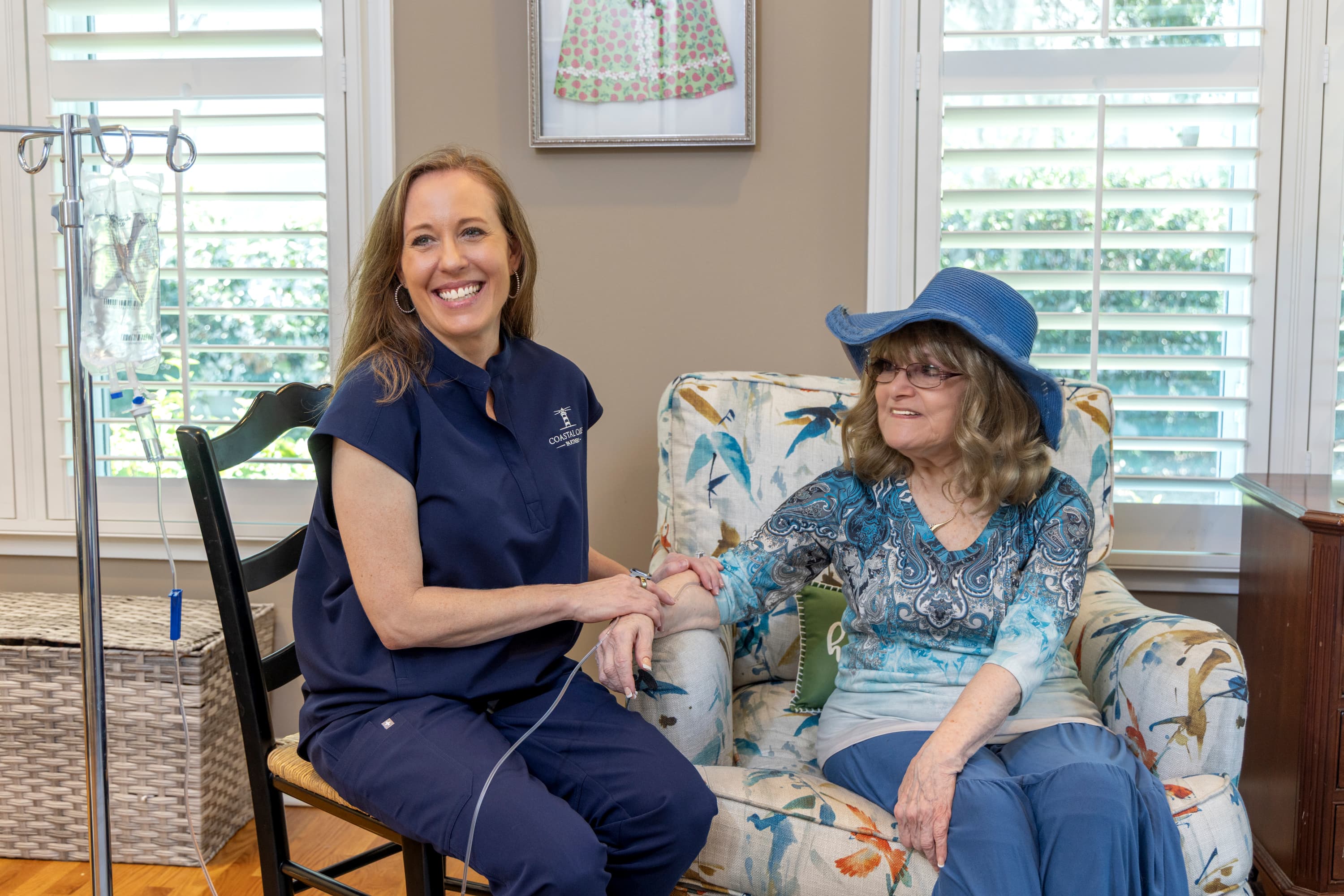
The Most Vulnerable Moment in Aging Care
Hospital discharge is one of the highest-risk moments in an older adult's care journey.
A patient may be stable enough to leave the hospital — but that does not mean the home environment is ready, the medications are clear, or the care plan is fully understood.
In fact, nationally, hospital readmission rates remain high for older adults — often because of:
- Confusing discharge instructions
- Medication changes not clearly reconciled
- Missed follow-up appointments
- Inadequate monitoring at home
- Weak communication between providers
- Families trying to coordinate everything alone
Most readmissions are not caused by new emergencies.
They are caused by breakdowns in follow-through.
What Commonly Goes Wrong After Discharge
When a loved one returns home, families often receive:
- A stack of discharge paperwork
- Updated medication lists
- Follow-up appointment instructions
- Therapy recommendations
- Equipment orders
- New safety precautions
What they often do not receive:
- Clear leadership
- Ongoing monitoring
- Structured coordination
- Someone accountable for the whole picture
Without oversight, small issues escalate:
- Medications are taken incorrectly
- Symptoms are dismissed or misread
- Weakness increases unnoticed
- Hydration declines
- Infection signs are missed
- Therapy instructions aren't followed consistently
And within days or weeks, the cycle repeats.
The Coastal Care Partners Difference
Coastal Care Partners is uniquely positioned to bridge the hospital-to-home gap because we are an integrated, nurse-led model — not just a home care agency.
We do not simply place a caregiver in the home.
We activate a coordinated transition plan.
Step 1 — Discharge Plan Review & Medication Reconciliation
Our Nurse Care Manager:
- Reviews hospital discharge instructions in detail
- Reconciles new and discontinued medications
- Clarifies dosing and timing
- Confirms understanding with family
- Communicates directly with physicians if clarification is needed
Medication confusion is one of the leading causes of readmission.
We do not assume clarity — we confirm it.
Step 2 — Immediate In-Home Support
Our caregivers:
- Assist with safe mobility after discharge
- Monitor appetite, hydration, and energy levels
- Reinforce therapy instructions
- Support wound care or equipment use (as directed)
- Document observations in real time
Because caregivers are in the home daily, they are the first line of early detection.
Step 3 — Structured Monitoring & Pattern Recognition
Unlike siloed services, our caregivers do not operate alone.
Observations are documented and reviewed by our Nurse Care Manager. Subtle changes are evaluated:
- Increased fatigue
- Swelling
- Pain levels
- Confusion
- Shortness of breath
- Declining appetite
These are the signs that often precede readmission.
We look for patterns early — not after deterioration.
Step 4 — Coordinated Follow-Up Care
Hospital discharges often require:
- Primary care follow-up
- Specialist appointments
- Therapy scheduling
- Lab work
Our team ensures appointments are scheduled, attended, and aligned with the care plan.
If adjustments are needed, we coordinate them.
Families are not left making clinical judgment calls on their own.
Step 5 — Preventing Avoidable Readmissions
Research consistently shows that structured discharge support reduces readmissions.
What makes the difference?
- Clear medication oversight
- Consistent daily monitoring
- Communication between home and medical providers
- Early escalation of concerns
- Accountability for follow-through
This is precisely how Coastal Care Partners operates.
Because we combine:
- Nurse Care Management
- In-Home Care
- Medical integration
We are able to hold the full picture — not just a portion of it.
Why Private Integrated Care Matters
Most agencies provide either:
- Caregivers without clinical leadership, or
- Care management without daily observation
We provide both — integrated from the start.
This means:
- ✔Caregivers observe
- ✔Nurses interpret
- ✔Providers are informed
- ✔Families are guided
- ✔Risk is managed proactively
That structure is what protects clients during vulnerable transitions.
A Strong Transition Is Not Accidental
It is coordinated.
It is monitored.
It is led.
Hospital discharge should not feel like a handoff into uncertainty.
With Coastal Care Partners, it becomes a managed, structured process designed to stabilize, protect, and support recovery.
When to Consider Integrated Discharge Support
Families should strongly consider structured transition support when:
- The hospitalization involved medication changes
- Mobility has declined
- Cognitive status is fluctuating
- Multiple specialists are involved
- There have been prior readmissions
- The family feels overwhelmed
Early integration reduces chaos.
Waiting often increases risk.
Final Thought
The days immediately following hospital discharge are not the time for guesswork.
They are the time for leadership.
Coastal Care Partners exists to close the gap between hospital discharge and true recovery at home.
Not with more services.
With integration.