The Unified Care Model
A Support Organization — Not Just a Caregiver
Most families believe home care is about who shows up at the door. What truly determines stability is the professional team standing behind that caregiver — coordinating care, responding quickly, and guiding the plan as needs change.
Why Most Aging Care Feels Unstable
Because no one is clearly in charge.Care becomes fragmented. Families become the coordinators.
Here's how we change that.
How the Unified Care Model Works
Hear Amy explain how our nurse-led support system replaces fragmentation with coordinated oversight.
Instead of multiple disconnected providers and you in the middle, one nurse-led team stays at the center: assessing needs, coordinating with caregivers and physicians, and keeping the family in the loop as things change.
The result is clarity instead of chaos — and a single place to turn when you have questions or when your loved one's needs evolve.
The Problem
What Most Families Don't Realize About Aging Care
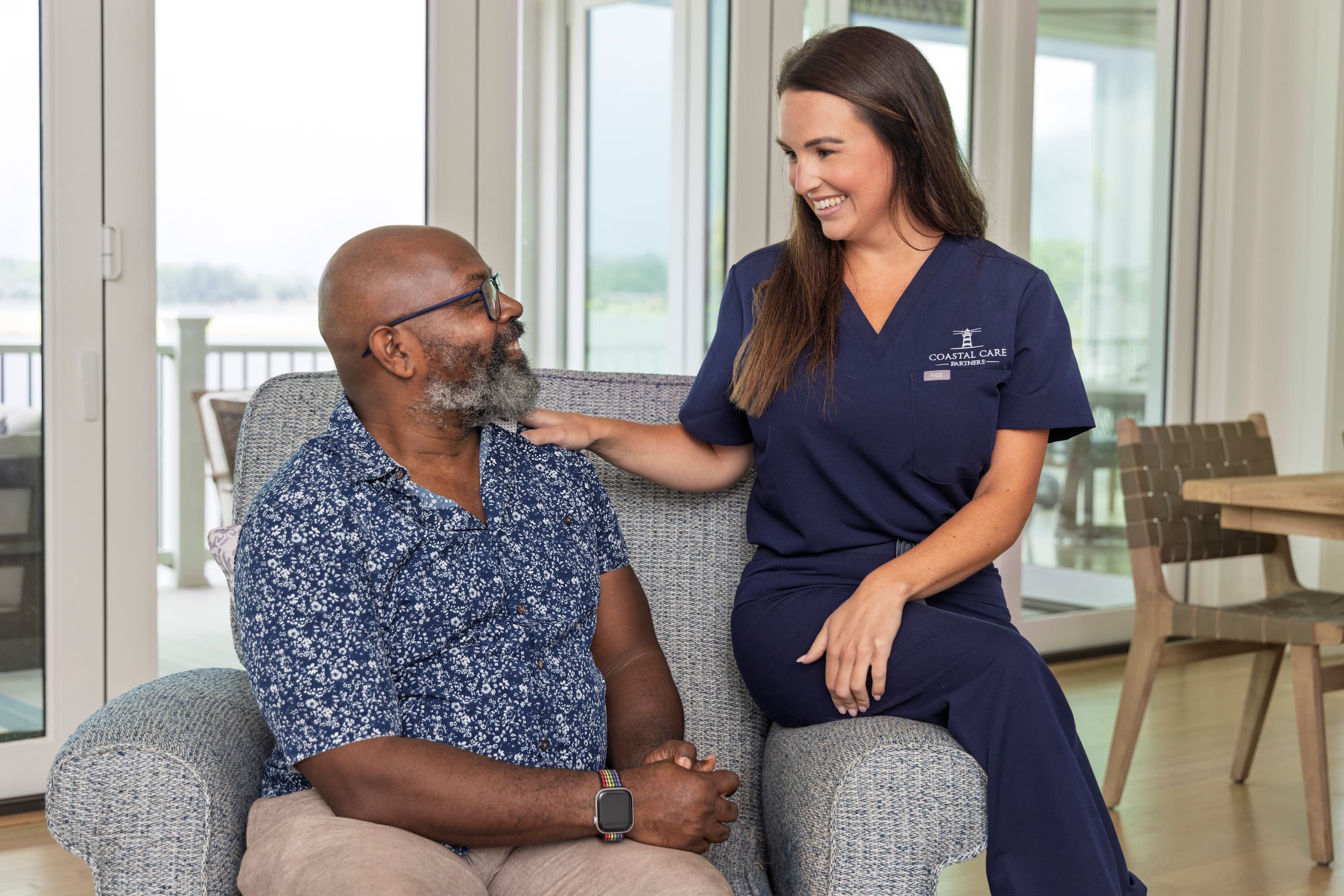
Families don't struggle because they can't find a caregiver. They struggle because aging care becomes complex — and most agencies don't have the infrastructure to manage that complexity.
When caregivers, physicians, medications, and changing needs aren't coordinated by a real support team, families become the default care managers — especially after hours and on weekends.
The Differentiator
A Nurse-Led Support System Behind Every Client
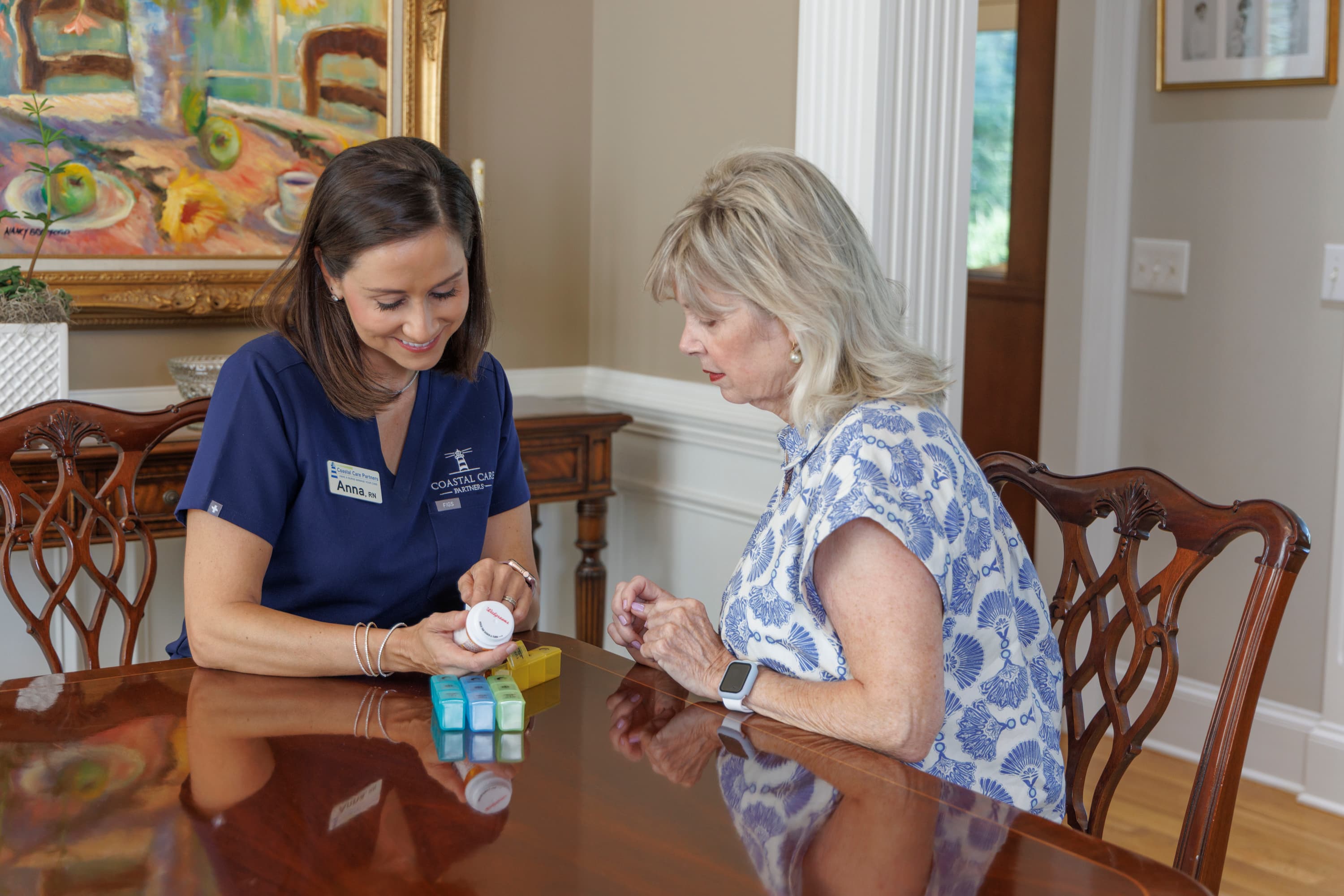
Our Unified Care Model is built around a nurse-led support organization that stays engaged throughout the care journey.
Caregivers are the visible layer of care. Our professional support team is what makes care stable — coordinating communication, monitoring changes, guiding decisions, and responding proactively as needs evolve.
How It Works
Four Pillars of Support

Nurse-Led Oversight
A Registered Nurse helps lead the plan and stays involved as needs change.
Coordinated Communication
We close the loop between family, caregivers, and healthcare providers so nothing falls through the cracks.
Proactive Response
We don't wait for crisis. We identify concerns early and act quickly when something changes.
Fully Supported Care Delivery
Scheduling, supervision, and ongoing adjustments are handled by a real team — not left to chance.
Additional Support
When Needs Escalate
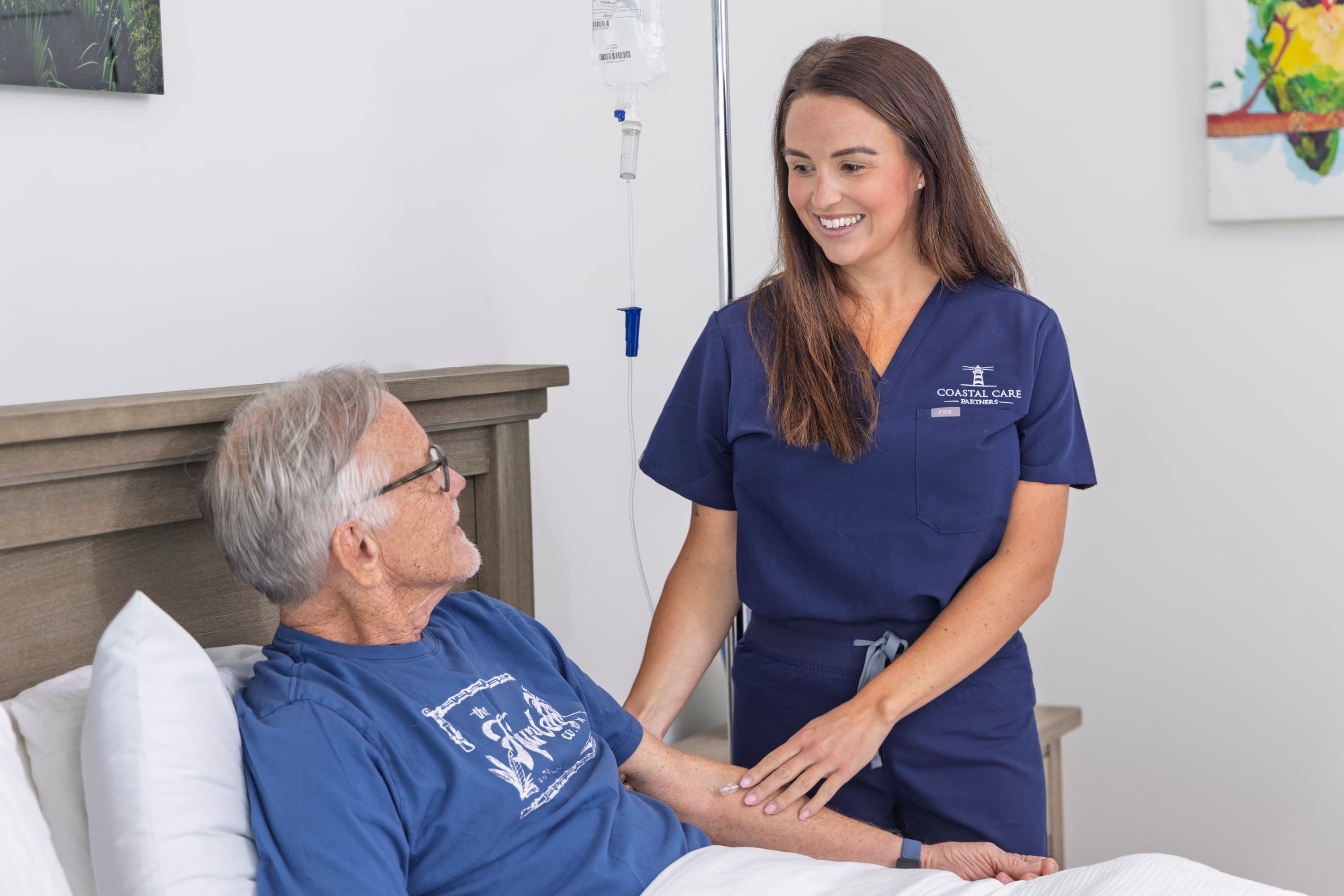
When appropriate, our nurse-led team may coordinate or deploy additional clinical support in the home, helping families avoid unnecessary disruption and make clearer decisions after hours or on weekends.
The Contrast
Support Infrastructure vs. Staffing Alone
Traditional Care
- Staffing model: You get a caregiver; you coordinate everything.
- Reactive: Action after something goes wrong.
- Family-managed: You become the default care manager—especially after hours.
- Minimal oversight: Information stops at the front door.
The Unified Care Model
- Support organization: A professional team coordinates care behind the caregiver.
- Proactive: We identify concerns early and act quickly when something changes.
- Professionally coordinated: Nurse-led oversight guides the plan as needs evolve.
- Nurse-led oversight: Communication flows between family, caregivers, and providers.